外刊
Don’t blame supermarkets for your expensive groceries
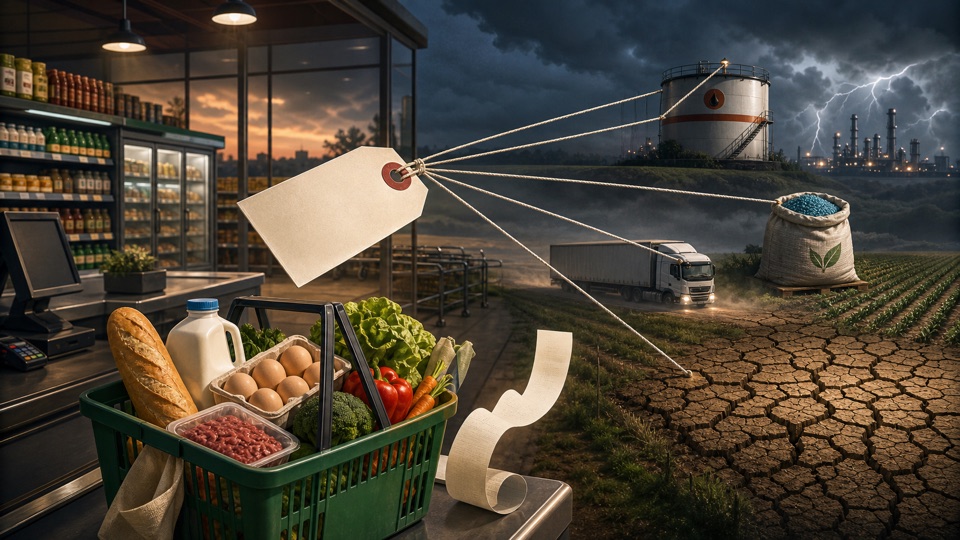
文章驳斥了将食品价格上涨归咎于超市贪婪的民粹主义观点。数据显示,欧美超市利润率极低且并未加速转嫁批发成本,真正的通胀推手是化肥、燃料等投入成本激增及劳动力短缺。政府直接干预或开设国营超市不仅误解了市场结构,还可能重蹈历史覆辙,破坏现有竞争生态。
Misguided Blame and Thin Margins
Yet such interventions—which focus on the very end of the food chain—are misguided. In most developed countries there is scant evidence that grocers earn excessive profit margins. Nor have they raised prices for consumers at a faster pace than the wholesale prices they in turn pay have increased. Moreover, evidence of concentration—which would give grocers the market power to gouge consumers—is lacking in most developed countries.
First, consider margins. These are often wafer-thin. American supermarkets like Kroger and Albertsons collected just 1% of their sales in operating profits last year. Even Walmart, with its 4% margin, hardly appears to be milking customers. It is a similar story in Britain and France, with margins only a little fatter in Australia and Canada. The real cream has traditionally been elsewhere in the supply chain, such as with the big food manufacturers. Over the past decade the average operating margin across General Mills, Kraft Heinz, Mondelez and PepsiCo has been 13%.
Real Drivers of Inflation
Grocery prices have shot up across the developed world largely because the cost of inputs like fertiliser and fuel has surged, owing first to the war in Ukraine and, more recently, to conflict with Iran. The wages that farmers need to pay to attract enough workers have also risen as governments cut back on immigration. There is little evidence to suggest that supermarkets are the ones to blame. Even the packaged-food giants, which increased prices to protect their profits in the post-pandemic wave of inflation, have seen their operating margins slump over the past three years as shoppers have switched to retailers’ cheaper own-label brands.
内容来源:The Economist。本页为 Follow 编辑摘要,完整内容请在小程序中学习。