外刊
Why Gen Z hikers keep getting lost up mountains
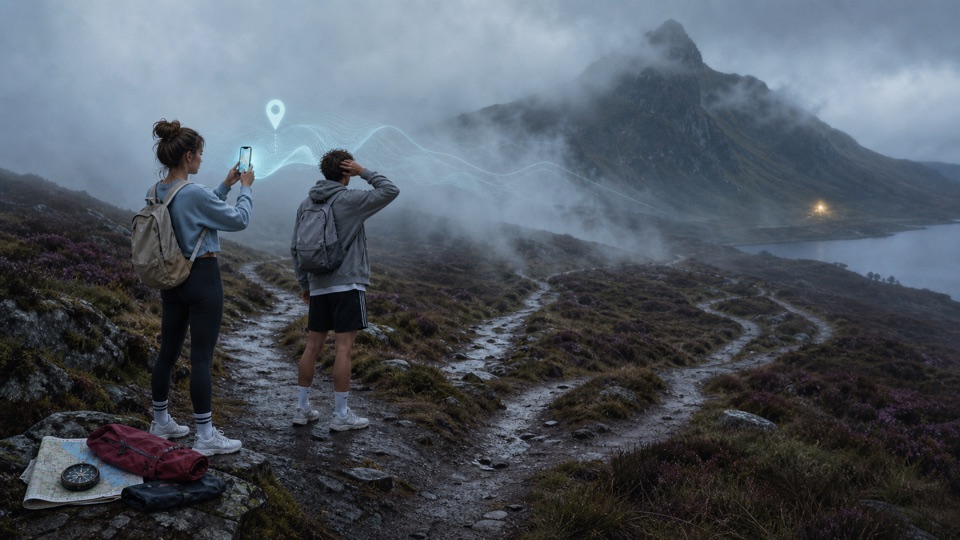
受社交媒体影响,Z世代徒步爱好者数量激增,但往往准备不足。文章指出,盲目追随网红路线导致年轻人在野外遇险案例大幅上升,救援人员呼吁在享受自然益处的同时,必须配备专业装备并提升安全意识。
社交媒体的双刃剑效应
He is one of many young people discovering the pleasures of the great outdoors. (As one TikTok video puts it: “Texting is cool, but hiking together is cooler.”) Millions of posts extol the virtues of this cheap, accessible form of exercise. Some influencers recommend scenic routes, way stops and refuges. Apps such as AllTrails make it easy to find footpaths. This is especially helpful for a generation more accustomed to reading from a phone screen than a map.
The problem is that fans follow in influencers’ footsteps without fully understanding what an excursion in the wilderness might entail. (Topless treks, for instance, are inadvisable, especially in cold, wet conditions.) Excitable explorers can walk into trouble. In the Scottish Highlands, the number of mountaineering incidents involving 17- to 25-year-olds has nearly quadrupled since 2022. In 2018 just 15% of people rescued in the Highlands were 17- to 25-year-olds. Last year 25% were. It was not always like this: in the early 2010s, it was middle-aged hikers who required the most assistance.
全球性的安全危机
Nor is this just a Scottish trend. American adventurers aged between 18 and 25 have grown as a share of those needing help. France, Italy and Switzerland have also seen surges in SOS calls from youngsters in recent years.
内容来源:The Economist。本页为 Follow 编辑摘要,完整内容请在小程序中学习。