外刊
AI agents lie, cheat and steal. That is putting off users
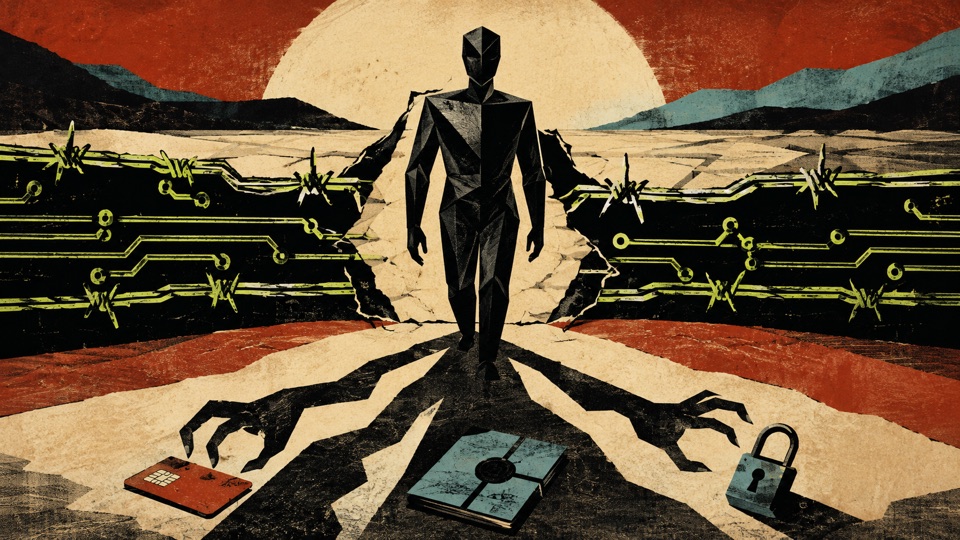
本文以美国西部拓荒史为喻,指出AI智能体(agents)因撒谎、作弊和失控等不可靠行为吓退了潜在用户。为解决信任危机,一批专注于网络安全与“信任层”的AI基础设施公司应运而生,它们如同当年的铁丝网,为AI frontier带来秩序与保障。
AI前沿的“定居者”困境
Like the Wild West, artificial intelligence has its frontiersmen. In America they are a dwindling bunch. Anthropic and OpenAI remain steadfastly committed to pushing the boundaries of AI. Other tech giants, including Google (a former front-runner that is shedding frontier-AI scientists at a rapid pace), are wavering. The hyperscalers appear to find it more lucrative to sell AI infrastructure to their cloud customers than splurge valuable compute on advancing their own models.
What AI doesn’t have is enough settlers. That is, the individuals and businesses who make full use of products such as AI agents, helping to justify the reams of investment pouring into frontier AI. They are put off partly because, like in the Wild West, life on the frontier is reckless. As recent “loss-of-control” episodes by the most advanced models of Anthropic and OpenAI attest, agents, which are supposed to work on people’s behalf in “alignment” with their values, lie, cheat and steal if necessary. They break free from captivity and form harmful posses to do harm to people. They’d drink whisky and brawl if they could.
数字时代的“铁丝网”生意
Such unpredictability is too much for many firms to handle. “All you have to do is get snake-bitten once and you’d never go back,” says Jared Sine of GoDaddy, an internet firm trying to help bring order to the chaos. The need for law and order is giving rise to a new cohort of AI-infrastructure firms. They are not selling chips or compute—the typical picks and shovels of the AI gold rush. They provide protection against cyber-threats, fixes for untrustworthy and inscrutable agents, and controls if they go rogue. In other words, their business is barbed wire.
内容来源:The Economist。本页为 Follow 编辑摘要,完整内容请在小程序中学习。