外刊
Travel agents are in demand—especially for luxury trips
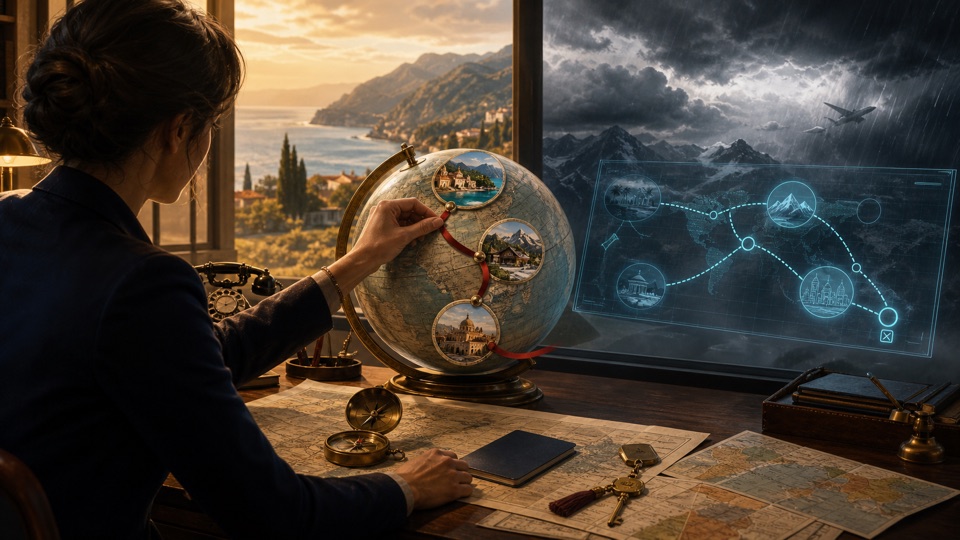
尽管人工智能技术日益普及,人类旅行顾问在高端旅游市场依然不可或缺。他们凭借独特的品味、专业知识及应急支持赢得了客户信赖,同时巧妙利用AI提升效率,证明了人性化服务在复杂需求面前的持久价值。
人类顾问的独特优势
Travel agents often go above and beyond for their clients. That is in part why people still use them in an age of AI-tineraries . In Britain about a third of travellers booked their holidays through a human specialist last year, reckons ABTA, a British trade association. Across the pond more than 310,000 agents are members of the American Society of Travel Advisers, another trade group, up from 190,000 in 2024. LinkedIn recently ranked the job one of the fastest-growing in America (though the Bureau of Labour Statistics reckons it will grow more slowly than average in the period until 2034).
品味判断与应急保障
People turn to travel advisers for their “taste and judgment” in curating trips, says Evan Frank, co-founder of Fora, a luxury host agency. Seasoned advisers have superior knowledge of particular countries and a network of exclusive hotels. Some stick to a particular niche, booking trips for people who have food allergies or tourists who want to travel solo or with their pets.
Travel agents also provide an extra layer of support that many find reassuring. You can’t call your AI if your room is wrong or you missed your transfer, observes Mr Frank. But a human adviser is there for any conundrum you might face (or croissant you might fancy). People are more likely to book with travel agents during geopolitical ructions or periods of extreme weather, when it feels riskier to make bookings.
内容来源:The Economist。本页为 Follow 编辑摘要,完整内容请在小程序中学习。